


Best Melatonin Diffusers for Sleep: A 2026 Guide
B
e
s
t
M
e
l
a
t
o
n
i
n
D
i
f
f
u
s
e
r
s
f
o
r
S
l
e
e
p
:
A
2
0
2
6
G
u
i
d
e
Table of Contents
- What Are Melatonin Diffusers and How Do They Fit Into Your Sleep Routine
- How Melatonin Diffusers Work: Understanding Inhalation and Absorption
- Melatonin Diffuser Dosage: What You Need to Know About Active Ingredients
- Melatonin Diffuser Safety: What the Evidence Shows About Inhaled Compounds
- Melatonin Diffusers vs Supplements: Which Approach Suits Your Needs
- Choosing the Right Melatonin Diffuser: Transparency, Ingredients, and Testing
- Frequently Asked Questions
Last Updated: October 10, 2026
What Are Melatonin Diffusers and How Do They Fit Into Your Sleep Routine
Melatonin diffusers are portable wellness devices that deliver plant-based ingredients, primarily melatonin, through inhalation rather than oral supplements. Unlike traditional sleep aids you swallow, melatonin diffusers work by releasing a fine vapor containing melatonin and complementary botanical extracts that you inhale gently before bed.
They combine the ritual comfort of aromatherapy with melatonin dosing. Most people use them 20-30 minutes before sleep, taking slow draws to signal their body that rest is approaching.
At NTRL Diffuser, we've designed our devices to deliver consistent dosing from the first draw to the last. Each device contains a pre-measured blend of melatonin, ashwagandha, lavender, chamomile, and L-theanine, ingredients chosen specifically to support your natural sleep-wake cycle without the grogginess of heavier sleep aids.
You inhale active ingredients directly rather than swallowing a pill, which some users find more satisfying than oral supplements, especially if they're transitioning from other inhalation-based wellness habits.
How Melatonin Diffusers Work: Understanding Inhalation and Absorption
Melatonin diffusers use a heating element to vaporize a liquid carrier containing melatonin and plant extracts. The vapor reaches your respiratory system, where active ingredients theoretically enter your bloodstream.
What we know about oral melatonin absorption: Oral melatonin has been studied extensively; typical doses of 0.5-10 mg reach peak blood levels within 30-60 minutes after passing through the digestive system and liver (first-pass metabolism).
What we don't know about inhaled melatonin: Inhalation theoretically bypasses first-pass metabolism, but human clinical trials measuring inhaled melatonin bioavailability are extremely limited. The actual dose reaching your system depends on uncontrolled variables: inhalation depth, vapor retention time, individual respiratory physiology, and particle size distribution.
The absorption gap: A labeled 20 mg melatonin dose does not equal 20 mg entering your bloodstream. Some is lost as vapor, some may not cross the alveolar-capillary barrier, and some may be metabolized locally in lung tissue. No published human study has quantified what fraction actually reaches your blood.
Supporting ingredients and synergy claims: Ashwagandha, lavender, chamomile, and L-theanine have evidence supporting their use in oral form, but inhaled delivery has not been studied in humans.
Practical implications: Consistent, gentle use produces more reliable results than occasional heavy use because your body adapts to a predictable routine. The ritual of slow, intentional breathing before bed may be as important as the melatonin itself.
Melatonin Diffuser Dosage: What You Need to Know About Active Ingredients
NTRL Diffuser's LAVENDER BERRY device contains 20mg of melatonin per device, along with 13mg of ashwagandha, 25mg of lavender, 8mg of chamomile, and 5mg of L-Theanine.

The 20mg dose is higher than typical oral supplements (0.5-10mg), but not all reaches your system due to vapor loss and variable absorption. The effective dose is likely lower than labeled.
Most users take 3-5 draws per session, allowing dose adjustment based on individual response. If sensitive to melatonin, fewer draws may suffice. If no effect after one session, try more draws the next night.
Supporting ingredients matter as much as melatonin. Ashwagandha at 13mg is modest compared to clinical doses (300-600mg daily), but combines with melatonin to create a calming effect.
Always start with a conservative approach: take 2-3 draws on your first use, then assess how you feel the next morning. Adjust upward only if you experience no effect after 3-5 nights of consistent use.
Melatonin Diffuser Safety: What the Evidence Shows About Inhaled Compounds
Safety concerns around inhaling melatonin and plant extracts are legitimate. Evidence on melatonin inhalation is limited.
Melatonin itself and respiratory safety: Melatonin is not known to cause respiratory damage at typical doses, and oral melatonin has a strong safety record in short-term use. No published human study has documented acute respiratory injury or systemic toxicity from inhaled melatonin at diffuser doses.
Carrier liquids and inhalation risk: Propylene glycol and vegetable glycerin are common carriers classified as "generally recognized as safe" for ingestion, but inhalation is a different exposure route. Propylene glycol can cause airway irritation with repeated inhalation, particularly in people with asthma. Vegetable glycerin is gentler but may cause mild throat irritation with extended use.
Botanical extracts and lung exposure: Lavender, chamomile, and ashwagandha are safe for ingestion, but inhaling concentrated botanical compounds is not equivalent to drinking tea. Inhaled particles can deposit in lungs and trigger inflammation in susceptible individuals. Lavender oil has been reported to cause airway hyperresponsiveness in people with asthma.
Reported adverse effects: User reports document mild throat irritation, dry cough, and occasional wheezing, particularly after extended use or deep inhalation.
Regulatory status and quality control gaps: Melatonin diffusers occupy a gray zone, not approved as pharmaceutical drugs. Quality varies widely. Some conduct third-party lab testing; others do not. Some disclose all ingredients; others use vague terms like "proprietary blend."
Contraindications and when to avoid: Consult a healthcare provider before using any inhalation device if you have asthma, COPD, chronic bronchitis, severe allergies to botanical compounds, acute respiratory illness, pregnancy or nursing, or immunosuppression.
If you have none of these risk factors, the risk of short-term use (a few weeks) is likely low.
Practical safety steps: Start with 2-3 gentle draws on your first use, then assess how you feel the next morning and over the following week. Stop use immediately if you experience persistent coughing, wheezing, chest discomfort, or shortness of breath. These are signs that inhalation may not be right for you, regardless of the product's quality. If you tolerate the device well for 2-3 weeks, continue monitoring for any delayed effects (chronic cough, persistent throat irritation). If you use the device nightly for more than 3 months, consider periodic breaks to assess whether you still need it or whether your sleep has improved enough to discontinue.
Melatonin Diffusers vs Supplements: Which Approach Suits Your Needs
Melatonin diffusers and oral supplements both deliver melatonin, but the experience and outcomes differ meaningfully.
Oral melatonin supplements (tablets, gummies, liquids) have decades of research behind them. They're standardized, shelf-stable, and easy to dose precisely. The downside: they take 30-60 minutes to work, they pass through your liver first, and some people find the dosing inflexible. Once you swallow a 10mg tablet, you've committed to that full dose.
Melatonin diffusers offer flexibility and a faster onset. You control the dose by adjusting how many draws you take. The ritual aspect, taking slow, intentional breaths, can itself signal your body that sleep is coming. For shift workers or travelers dealing with irregular sleep schedules, this flexibility is valuable.
However, diffusers introduce inhalation as a variable. Not everyone tolerates inhaling compounds well. Diffusers also require more active engagement than swallowing a pill, you have to remember to use it and do it correctly.
A practical decision framework: choose oral supplements if you prefer simplicity and have established sleep routines. Choose diffusers if you value control over dosing, appreciate ritual, or are seeking a nicotine-free alternative to other inhalation-based habits. Many people use both, melatonin supplements on travel nights when a diffuser isn't practical, and diffusers during regular weeks at home.
Factor |
Oral Supplements |
Melatonin Diffusers |
|---|---|---|
Onset time |
30-60 minutes |
10-20 minutes |
Dose control |
Fixed per tablet |
Adjustable by draws |
Portability |
Easy |
Moderate |
Inhalation risk |
None |
Low, varies by user |
Ritual component |
Minimal |
Moderate to high |
Research backing |
Extensive |
Emerging |
Choosing the Right Melatonin Diffuser: Transparency, Ingredients, and Testing
The melatonin diffuser market includes devices with wildly different ingredient transparency and quality standards. Here's how to separate reliable products from marketing hype.
Ingredient transparency is non-negotiable. A trustworthy product lists exact dosages for every active ingredient, not vague claims like "proprietary blend" or "plant extract complex." You should know precisely how much melatonin, ashwagandha, lavender, and other ingredients you're inhaling. NTRL Diffuser publishes full dosage information because we believe you deserve to know exactly what's in your device.
Lab testing matters. Independent third-party testing for purity and potency protects you from contamination and mislabeling. Ask whether the product has been tested by an external lab, not just the manufacturer. Reputable companies publish testing results or make them available on request. This isn't just marketing, it's proof that the ingredients match the label.
Carrier liquid quality affects both safety and experience. Some diffusers use petroleum-derived carriers that can irritate lungs with repeated use. Plant-based carriers like vegetable glycerin or distilled water are gentler.
Draws per device indicates value and consistency. A device that delivers 600+ draws gives you more usable product and more consistent dosing across the device's life.
Price reflects quality, but not linearly. The cheapest diffusers cut corners on ingredient sourcing and testing. Mid-range products ($10-$20) often offer the best value. NTRL Diffuser's LAVENDER BERRY at $13.00 sits in the value-conscious range while maintaining lab-tested ingredient standards and transparent dosage labeling.
When evaluating any diffuser, ask three questions: Can I see the exact dosages? Has this been independently tested? What's the carrier liquid? Products that answer all three clearly are worth your consideration.
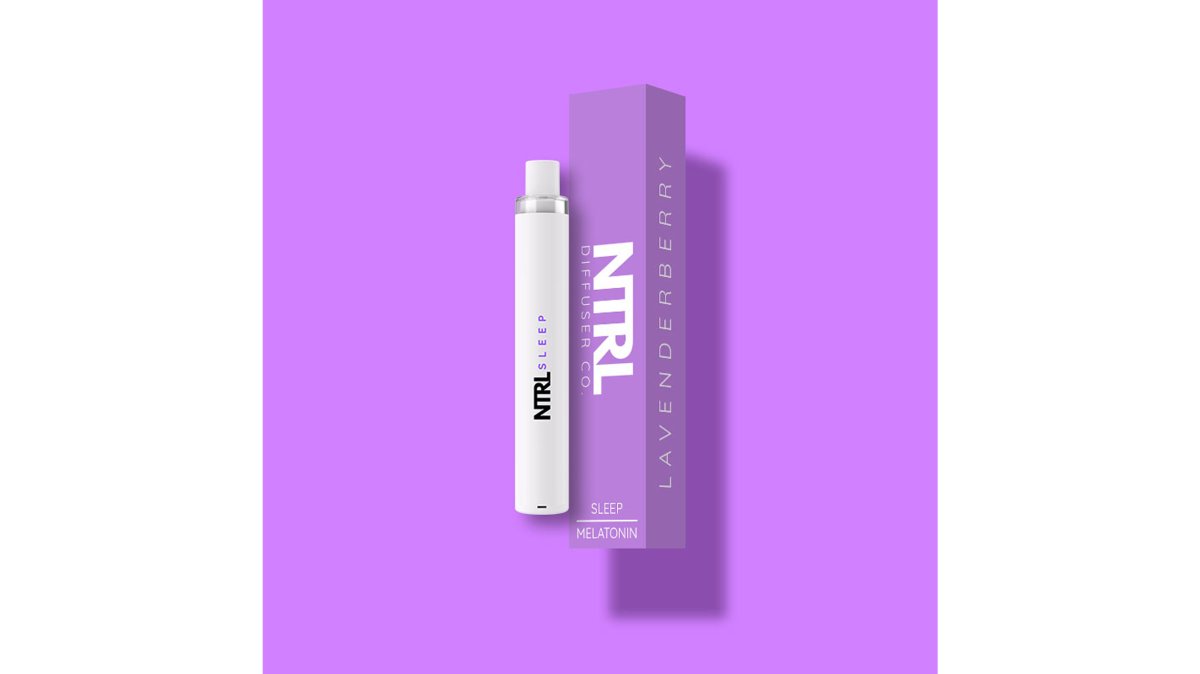
Choosing the right melatonin diffuser means prioritizing transparency and evidence over marketing claims. The best option for most people is a device with clear dosage labeling, independent lab testing, and plant-based ingredients, exactly what NTRL Diffuser delivers with our LAVENDER BERRY formula. It contains 20mg of melatonin, ashwagandha, and calming botanical extracts, with 600+ draws per device and full ingredient transparency. Learn more about melatonin's role in sleep regulation if you want deeper scientific context. Start with NTRL Diffuser and adjust your routine based on your individual response.
Frequently Asked Questions
Do melatonin diffusers actually help you sleep?
Melatonin diffusers deliver melatonin through inhalation to support your natural sleep-wake cycle. The effectiveness depends on the dose, timing, and individual response. Clinical evidence shows melatonin can help with sleep onset when used 20-30 minutes before bed. However, results vary by person. Consistent use as part of a sleep routine, combined with good sleep hygiene, tends to produce better outcomes than occasional use alone.
How much melatonin is in a typical melatonin diffuser, and how does that compare to a supplement?
A quality melatonin diffuser like LAVENDER BERRY contains 20mg of melatonin per device. Oral melatonin supplements typically range from 0.5mg to 10mg per dose. The diffuser delivers a higher total dose, but inhalation absorption differs from oral absorption. Inhalation may reach the bloodstream faster, while oral melatonin is processed through digestion. The "right" dose depends on your sleep needs and how your body responds to each delivery method.
Are melatonin diffusers safe to use regularly?
Melatonin diffusers formulated with plant-based, USP-grade ingredients and independently lab-tested for purity pose minimal risk for regular use. However, inhaling any compound carries considerations: look for products that disclose their full ingredient list and carrier liquid composition. Avoid products with petroleum-derived compounds or artificial fillers. If you have respiratory sensitivity or existing lung conditions, consult a healthcare provider before regular use.
What makes one melatonin diffuser better than another?
The best melatonin diffusers prioritize transparency with exact dosage labeling, use plant-based and USP-grade ingredients like ashwagandha and chamomile, and provide independent lab testing results. Check the ingredient list for active compounds beyond melatonin—supporting ingredients like L-theanine and lavender enhance sleep support. Durability matters too: devices should deliver consistent dosing across 600+ draws. Avoid products making vague health claims without disclosing their testing methodology or ingredient sources.
May you also like
